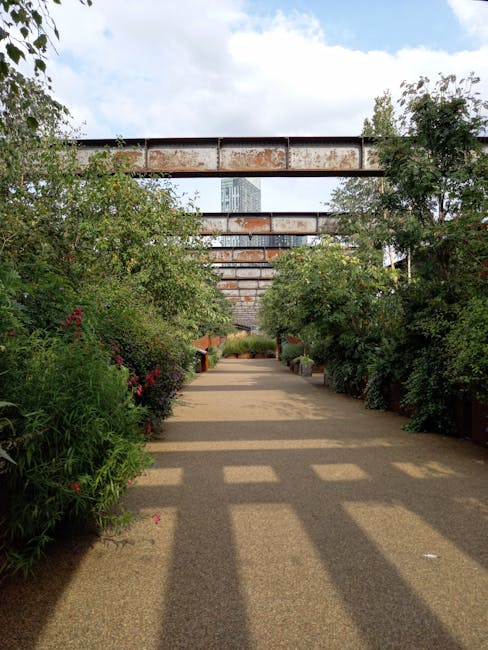
Isle of Dogs gardeners for private terraces and roof gardens: a practical guide for stylish, resilient outdoor spaces
If you live in the Isle of Dogs and have a private terrace or roof garden, you already know the appeal: a bit of green above the streets, a place for coffee in the morning, a wind-sheltered corner for plants, maybe even a small space that feels like a reset after a long day. The challenge is that these spaces can be demanding. Sun bakes the planters, wind dries everything out, access can be awkward, and one rushed decision can turn a lovely terrace into a maintenance headache. That is exactly where Isle of Dogs gardeners for private terraces and roof gardens come in.
This guide explains what specialist terrace and roof garden gardening involves, how it works in practice, what to expect, and how to avoid the usual mistakes. It also covers maintenance, best practice, and the kind of support that helps a compact outdoor space stay beautiful rather than becoming a constant job list. Truth be told, that difference matters a lot.
Table of Contents
- Why it matters on the Isle of Dogs
- How terrace and roof garden care works
- Key benefits and practical advantages
- Who this is for and when it makes sense
- Step-by-step guidance
- Expert tips for better results
- Common mistakes to avoid
- Tools, resources and recommendations
- Law, compliance, standards, and best practice
- Options, methods, or comparison table
- Case study or real-world example
- Practical checklist
- Conclusion
- Frequently asked questions
Why Isle of Dogs gardeners for private terraces and roof gardens Matters
Private terraces and roof gardens are not just small gardens placed on top of buildings. They behave differently from ground-level gardens, and they often need a more careful approach. On the Isle of Dogs, where many homes and apartments are exposed to height, open sky, reflected light, and gusty conditions, plants and materials can be under more stress than people expect.
That matters for three reasons. First, the planting conditions are harsher. Containers dry out fast, especially in warm weather or when the wind is up. Second, access is often tighter. A gardener may need to work around lifts, shared corridors, balcony doors, or restricted loading points. Third, roof structures and waterproofing need respect. You do not want heavy planters, poor drainage, or careless watering causing avoidable issues. Not glamorous, but very real.
Specialist gardeners understand that terrace and roof garden work is partly horticulture and partly problem-solving. It is about choosing plants that can survive the microclimate, but also about protecting surfaces, keeping access safe, and planning maintenance so the space feels enjoyable rather than fragile.
Expert summary: the best terrace and roof garden care is not simply about making things look neat. It is about balancing planting, irrigation, drainage, weight, wind exposure, and regular upkeep so the space stays usable all year.
If you are also considering wider outdoor improvements, it can help to explore the full range of garden services available and see how maintenance, clearance, and landscaping fit together. A terrace garden rarely thrives as a one-off project; it is usually a living system.
How Isle of Dogs gardeners for private terraces and roof gardens Works
In practical terms, terrace and roof garden care starts with a site assessment. A good gardener will look at light levels, wind exposure, drainage, planter size, access points, and the kind of surfaces being worked on. That first look tells you a lot. You can sometimes see at a glance whether a space will want moisture-loving planting, Mediterranean-style species, or more robust evergreen structure.
After that comes a maintenance plan. For some clients, this is a simple monthly visit with watering checks, deadheading, light pruning, and debris removal. For others, it is a fuller programme including seasonal planting, soil refreshes, feeding, hedge trimming where relevant, and occasional re-design work. Roof gardens and terraces often need more frequent attention than ground-level plots, because everything is contained and conditions change quickly.
There is also the practical side. Good work usually includes:
- checking planter drainage and runoff paths
- removing wind-blown litter and fallen leaves
- refreshing topsoil or compost as needed
- monitoring plant stress during hot or dry spells
- keeping surfaces clean and free from slippery build-up
- keeping heavier maintenance tasks planned rather than reactive
Where terraces include built features such as screens, decking, or decorative borders, maintenance can be coordinated with decking-related care and repair so the whole space feels joined-up rather than patched together. Small details show. They really do.
Some jobs are straightforward; others are a bit fiddly. A client may ask for more structure, more privacy, or simply less mess. A gardener can often work towards that with the right plant palette and maintenance rhythm. The trick is keeping expectations realistic. Roof gardens are rewarding, but they are not a "set and forget" feature. Ask any seasoned gardener and you will hear the same thing: the space tells you what it needs, if you pay attention.
Key Benefits and Practical Advantages
The biggest benefit is consistency. A terrace garden can look immaculate in May and tired by August if nobody is checking water, pruning growth, or replacing weak plants. Regular specialist care keeps the whole space steady.
Here are the main advantages of working with experienced Isle of Dogs gardeners for private terraces and roof gardens:
- Better plant survival: species are selected for sun, shade, wind, and container conditions rather than for generic garden use.
- Cleaner, more usable spaces: dead leaves, algae build-up, and messy edges are handled before they become obvious.
- Smarter use of space: compact areas benefit from planting that adds height, privacy, scent, or texture without crowding walkways.
- Reduced risk of damage: careful watering, sensible pot choice, and awareness of weight and drainage help protect the property.
- Seasonal interest: a terrace can feel alive through the year if planting is planned properly.
- Less stress for the owner: you are not constantly trying to remember feeding, pruning, or replacing plants after a cold snap.
There is also a less obvious advantage: a specialist garden can make a property feel more complete. A terrace with healthy planting, tidy edges, and a well-kept layout simply feels more considered. It changes the tone of the space. Even a small roof garden can become a place you actually want to spend time in, not just admire from the door.
If the area has become cluttered or neglected, a refresh may start with careful garden clearance support before the finer planting work begins. Clearing the old before building the new is often the most sensible route.
Who This Is For and When It Makes Sense
Not every outdoor space needs the same level of care. But terrace and roof garden support makes sense more often than people think.
This service is especially useful if you are:
- a homeowner with a private terrace that needs regular upkeep
- a flat owner who wants a stylish but practical roof garden
- a landlord or property manager trying to keep a high-value exterior space presentable
- someone with larger containers, screens, or layered planting that needs seasonal care
- a busy professional who wants the space to look good without spending weekends watering and trimming
- someone whose terrace has become overgrown, sparse, or uneven after a period of neglect
It also makes sense when the space has a specific goal. Perhaps you want privacy from nearby buildings. Perhaps you want a calm place with low-maintenance evergreens. Or maybe you want a social space that looks polished for evenings and weekends. Each of those goals leads to different planting and maintenance choices.
To be fair, some people try to manage everything themselves for a while, and sometimes that works. But once planters are numerous, access is awkward, or seasonal planting becomes a regular task, professional help saves time and often saves plants too. A terrace garden that always seems one hot week away from collapse is usually crying out for a better system.
Step-by-Step Guidance
If you are planning or improving a terrace or roof garden, a structured approach helps. Here is a practical way to think it through.
1. Start with the conditions, not the plant list
It is tempting to choose plants first. Most people do. But light, wind, drainage, and exposure should come first. A shaded, sheltered terrace behaves very differently from a bright, high roof with no wind break.
2. Decide how you want the space to feel
Do you want privacy, colour, scent, structure, or a low-maintenance green backdrop? If you skip this step, you can end up with a pleasant but muddled result. A good gardener will help translate the mood into a planting plan.
3. Assess containers, soil, and drainage
Planters should be suitable for the space and not just visually appealing. Drainage holes matter. So does the quality of compost and the stability of the containers. A beautiful pot with poor drainage is, frankly, a bit of a trap.
4. Plan access and maintenance frequency
How often will the space need watering? Who will check it during dry spells? Can maintenance tools and waste be moved easily? These questions sound boring, but they decide whether the garden thrives or struggles.
5. Choose planting that can cope
Hardy evergreens, compact shrubs, grasses, climbers, and seasonal colour can all work well. The exact mix depends on the site. A terrace garden near open water or on a windy corner often needs more resilient planting than a sheltered courtyard-style roof space.
6. Build in regular maintenance
Seasonal changes are normal. Spring refresh, summer watering, autumn tidy-up, winter protection. That cycle keeps the garden looking intentional rather than tired.
Where a terrace includes lawns in raised planters or linked areas, ongoing lawn care and mowing support may be part of the wider maintenance package. The point is not to force every service into one bundle; it is to keep the space coherent.
Expert Tips for Better Results
Here is where the small wins live. The kind that make a terrace garden feel quietly polished.
- Use layers. Mix tall, medium, and trailing plants so the space has depth, not just a line of pots.
- Choose sturdy containers. Lightweight is useful, but not at the expense of stability. Wind matters on height.
- Keep a watering routine simple. Complex routines tend to fall apart when life gets busy.
- Leave breathing room. Crowding plants too closely makes maintenance harder and can lead to poor airflow.
- Think in seasons. A roof garden that looks good only in one month is missing the point.
- Use scent carefully. In a compact space, fragrant planting can be lovely, but too much can feel overwhelming.
- Protect surfaces early. It is easier to prevent staining or water issues than to deal with them later.
A small, useful trick: put the most demanding plants closest to the easiest access point. Sounds obvious, but people often do the opposite. Then the plant that needs watering every other day is tucked behind three heavy planters and a bench. Brilliant, until it is not.
It can also help to work with a gardener who understands broader landscape gardening principles, not just plant care. That usually leads to better structure, better flow, and better long-term results.
Common Mistakes to Avoid
Roof gardens and terraces have a few repeat offenders. If you avoid these, you are already ahead.
- Choosing plants for looks alone: a plant might look great in the shop and struggle badly in wind or reflected heat.
- Ignoring weight: heavy planters, wet soil, and water storage all add up.
- Forgetting drainage: trapped water can damage plants and surfaces.
- Skipping maintenance during winter: even dormant-looking spaces need checking.
- Using too many tiny pots: they dry out quickly and become high-maintenance very fast.
- Overwatering: yes, this is a thing. More water is not always kinder.
- Letting debris build up: leaves, moss, and grit can make a terrace feel grubby and slippery.
Another common one: designing the whole space around a "perfect day" rather than an actual life. If you have work, travel, children, or just a normal London schedule, the garden needs to be manageable on ordinary days, not ideal ones. That is the real test.
And please, do not treat roof garden care as if it were a ground border at the end of a suburban lawn. The conditions are different. The margin for sloppy decisions is smaller. The plants will let you know, usually by looking a bit sulky for two weeks before giving up entirely.
Tools, Resources and Recommendations
You do not need an enormous toolkit for terrace or roof garden work, but the right tools make a visible difference.
- Watering cans or lightweight hoses: useful for controlled watering without overdoing it.
- Sharp hand tools: snips, secateurs, and small trowels help with precise work in tight spaces.
- Moisture-retentive compost: especially valuable in warm, exposed conditions.
- Mulch: helps reduce evaporation and keeps planter surfaces looking tidy.
- Plant supports and ties: useful for climbers and taller specimens that need a bit of stability.
- Surface-safe cleaners: for keeping paving, decking, and edges presentable.
- Seasonal planting plans: not a physical tool, but honestly one of the most useful resources you can have.
For ongoing care, many clients benefit from a maintenance schedule that includes routine visits, seasonal tidy-ups, and an occasional refresh of planting or containers. If you want a broader view of what ongoing support can include, garden maintenance services are often the most relevant starting point.
If the terrace has built-in structures, screens, or timber features, it may also be sensible to coordinate with landscaping support so planting and hard surfaces work together. That coordination tends to make the final result feel calmer and more complete.
Law, Compliance, Standards, or Best Practice
For private terraces and roof gardens, compliance is mostly about sensible practice, careful risk management, and respecting building conditions. It is less about flashy rules and more about not causing avoidable problems.
In the UK, roof spaces and external private terraces often sit within broader property and building responsibilities. Exact requirements vary depending on the building, lease, management company, and structure itself, so it is wise to check before adding substantial weight, fixed structures, or irrigation systems. That is especially true for higher-level spaces, where waterproofing and drainage matter more than most people realise.
Good practice usually includes:
- confirming access arrangements before work begins
- protecting floors, membranes, and finishes during visits
- keeping pathways clear for safe movement
- avoiding uncontrolled water runoff
- using appropriately sized containers and not overloading the space
- disposing of waste responsibly
Health and safety also deserves proper attention. If equipment, ladders, or awkward access points are involved, a professional gardener should have clear procedures in place. You can ask about health and safety procedures and insurance and safety arrangements before work starts. That is not being difficult. It is just common sense.
For clients who want reassurance around how work is handled, payment security and terms matter too. It helps to understand payment and security information as well as the terms and conditions that apply to the service. A straightforward conversation up front prevents awkwardness later.
Options, Methods, or Comparison Table
Different terraces and roof gardens call for different approaches. Here is a simple comparison that may help you decide what level of service makes sense.
| Approach | Best for | Strengths | Limitations |
|---|---|---|---|
| Basic tidy maintenance | Small terraces with established planting | Keeps the space neat, manageable, and presentable | May not solve deeper planting or layout problems |
| Seasonal refresh | Spaces that change with the weather | Adds colour, structure, and variety through the year | Needs regular review and some planning |
| Full design-led maintenance | Roof gardens, premium terraces, or complex layouts | Combines planting, structure, and ongoing care | Higher commitment, more coordination |
| Clearance then rebuild | Neglected or overcrowded spaces | Gives a clean starting point for better design | Can feel disruptive at first |
The right option depends on your space, your time, and how much you want the garden to do for you. Some people just want it tidy. Others want a proper outdoor room. Both are fair. The key is choosing the approach that matches reality, not fantasy.
Case Study or Real-World Example
Here is a realistic example based on the sort of situation that comes up often on the Isle of Dogs.
A resident has a private roof terrace with a mix of old planters, a couple of tired shrubs, and some seasonal colour that looked lovely in spring but faded by late summer. The space catches a lot of wind and gets strong afternoon sun. Watering has become inconsistent, and a few containers are too small for the plants they hold. The result is a terrace that still has potential but no longer feels easy to use.
The first step is a clean-up. Old material is removed, the planting is assessed, and the terrace is cleared of debris. Then the gardener introduces larger, more stable containers, selects hardier plants with better drought tolerance, and spaces out the layout so the area feels calmer. A simple maintenance rhythm is agreed: regular watering checks in dry periods, seasonal pruning, and a light tidy every few weeks during the growing season.
After that, the space starts behaving more like a room and less like a chore. It still needs care, of course. But it feels manageable. The owner can step outside in the evening, hear the city in the distance, and actually enjoy the place. That is the goal, really.
If a terrace has become cluttered before any redesign begins, a structured clearance service can be a sensible first move. It creates space for decisions, and decisions are what good gardens are made of.
Practical Checklist
Use this checklist before you commit to terrace or roof garden work.
- Have I checked the light, wind, and access conditions?
- Do I know whether the space needs low-maintenance or more design-led care?
- Are my containers suitable for the plants and the location?
- Is drainage working properly?
- Have I allowed for watering in hot or windy weather?
- Do I need privacy planting, screening, or a softer layout?
- Is there enough room for maintenance without constant rearranging?
- Have I considered the weight of pots, soil, water, and furniture?
- Do I need seasonal refreshes or just regular tidy-ups?
- Have I asked about insurance, health and safety, and service terms?
If you can tick most of those off, you are in a good place. If not, that is fine too. It just means the planning stage needs a bit more attention before anything gets planted or installed.
Conclusion
Private terraces and roof gardens on the Isle of Dogs can be genuinely special spaces, but they need more than enthusiasm. They need the right planting, the right structure, and the right maintenance rhythm. That is why specialist gardeners are so valuable here: they know how to work with the real conditions, not the ideal ones.
Whether you want a calmer everyday retreat, a greener backdrop for entertaining, or a roof garden that simply stops looking tired every few weeks, the best results usually come from clear planning and steady care. Nothing fancy, just good decisions repeated consistently. Funny how often that wins.
Get a free quote today and see how much you can save.
With the right approach, even a modest terrace can become one of the best parts of your home. And that is worth looking after properly.
Frequently Asked Questions
What do Isle of Dogs gardeners for private terraces and roof gardens actually do?
They care for compact outdoor spaces that face tougher conditions than ground-level gardens. That usually includes planting, pruning, watering checks, tidying, seasonal refreshes, and practical advice on layout, drainage, and container choice.
How often does a private terrace need maintenance?
It depends on the planting and exposure, but many terraces benefit from regular checks during the growing season and lighter visits in quieter months. Roof gardens in windy or sunny spots often need more frequent attention than sheltered terraces.
Are roof gardens harder to maintain than normal gardens?
Usually, yes. They dry out faster, can be more exposed to wind, and often have access or weight considerations. The space can still be lovely, just a bit more demanding than a typical ground-level garden.
Can any plant work on a terrace or roof garden?
No, and that is where people often go wrong. Plants need to suit the light, wind, and container conditions. A good gardener will recommend species that can actually cope rather than just looking good for a week.
Do terrace gardens need special drainage?
Yes, drainage is essential. Water should move away properly so containers do not become waterlogged and surfaces do not suffer unnecessary staining or runoff problems.
How do I make a small terrace feel bigger and more attractive?
Use layers, keep the layout uncluttered, and choose plants with structure. Tall and trailing planting can create depth without crowding the space. Clean lines help too. Small spaces can feel generous if they are handled well.
Is it safe to put heavy planters on a roof garden?
Not without checking. Weight matters, especially on roof-level spaces. If you are adding large containers, water features, or fixed structures, it is sensible to confirm that the space can handle the load.
What is the best time of year to improve a terrace garden?
Spring and early autumn are often practical times for planting and refresh work, but maintenance can happen year-round. The right timing depends on what needs doing and how exposed the space is.
Can a neglected terrace be restored?
Yes, very often it can. The usual process starts with clearance, then repairs or replacement of tired containers, followed by better planting and a realistic maintenance plan. It may take a little patience, but the turnaround can be striking.
What should I ask before hiring a gardener for my roof garden?
Ask about experience with rooftop or terrace spaces, watering and drainage plans, health and safety arrangements, insurance, maintenance frequency, and how they handle waste or seasonal changes. Those answers tell you a lot.
Do I need ongoing maintenance if I only want a simple terrace?
Usually, yes, even a simple terrace needs periodic care. The good news is that low-maintenance does not have to mean high effort. The aim is to make the space easy, not invisible.
Where can I find more information about the services available?
You can review the services overview, learn more about the team, or visit the contact page if you want to discuss a particular terrace or roof garden.